8Ville
Australian Hip-Hop · Melbourne
24/8 — Marlon Bereux
24 Hours A Day. 8 Days A Week.
Raw Australian hip-hop built from pressure, survival and real life. Stream the music, watch the visuals and enter the wider 24/8 world.
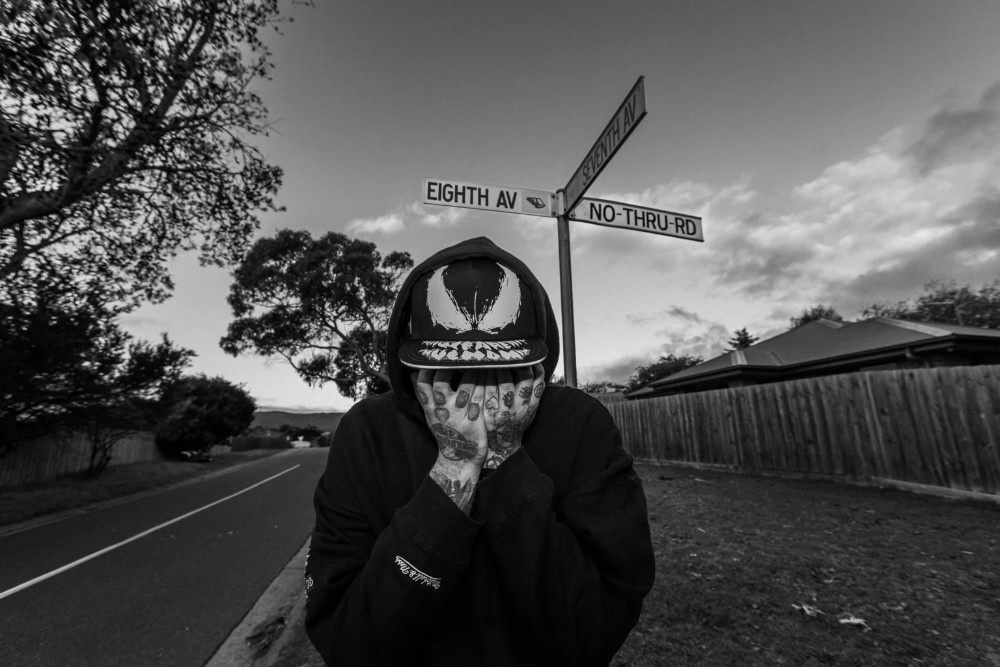
24/8Marlon Bereux · Australia
Popular Tracks
Start Here
The Symbiote
Why Do I Try?
Featured video
8Ville
8Ville — Official Music Video24/8
Bookings
Talks & Events
24/8 is available for selected motivational and mental-health talks, community events, press and music-related opportunities.
Beyond the music
24/8 Games

Beta 1
Escape the 24/8 Clinic
A browser-based 24/8 game featuring exploration, story choices, loot, turn-based battles and the Mental State system.
Music catalogue
Music
24/8 releases from 2023 to 2025, the full 8Ville EP tracklist and collaborations.
2025
2024

EP · 2024
8Ville
The complete six-track EP.
- Intro
- 8Ville
- Behind My Closed Doors
- Barren Rap Land
- Burning Bridges
- Outro
2023
Featured On
The artist
Bio
Australian rapper and songwriter Marlon Bereux performs as 24/8 — concept-driven hip-hop built on technical wordplay, dark humour and lived experience.
Official identity: Marlon Bereux performs professionally as 24/8 (also written 248). 24/8 AU is the registered business name behind the official website www.248.au.
24/8 is the stage name of Australian rapper and songwriter Marlon Bereux. Based in Victoria, he builds concept-driven hip-hop around technical wordplay, dark humour and direct, lived-experience storytelling.
After a severe brain injury interrupted his life and his ability to perform, Bereux rebuilt his craft and turned recovery, anger, identity and resilience into the world of 8Ville. Released on 24 August 2024, the six-track EP follows a narrative in which The Symbiote represents the internal force pulling against his progress.
Across his catalogue, 24/8 has collaborated with Bizarre of D12, Okwerdz, Tony Madness, Frank White, MC Drastyck Meaxurez, Anecdote and Konk Zooben. Releases include Why Do I Try?, Women Drugs & Money, Run This (AFL), Love The Pressure, Whatever It Takes and I’m a Narcissist.
His work has appeared on WorldStarHipHop and has been covered or featured by Folk N Rock, Platinum Loves HipHop, Fenomen Mag, HipHopEargasm and other independent music outlets. Interviews include Vigilantes Radio Live, 3CR Urban Voices and RPPFM / The Daily Mirror.
Latest from 24/8
Updates
Music, projects, games and selected announcements.
Enter 8Ville
8Ville is now open as an interactive experience on the official site. Step inside the world of the 8Ville EP and explore it for yourself.
Finals Time: Run This (AFL)
With the 2026 AFL finals reaching preliminary-final and Grand Final week, Run This (AFL) is back in focus. The 24/8 single was released on 13 February 2024 and is available across major streaming services.
Escape the 24/8 Clinic — Beta 1
Escape the 24/8 Clinic expands the 24/8 world into an interactive browser game. Explore the clinic, make story choices, collect loot and fight turn-based battles while managing the Mental State system.
Beta 1 includes the main story experience and a harder Speedrun mode. Play on phone, tablet or desktop, with further refinements arriving through beta updates.
Now Booking: Motivational & Mental Health Talks
I'm now available to speak at schools, community groups, and events on mental health, resilience, and living with a brain injury — sharing my own story alongside the music. If you're interested in booking me for a talk, get in touch below.
Earlier music updateTaking Some Time
I wanted to speak directly to everyone who's been rocking with me. I've been putting real time into my mental health lately, and that's meant stepping back from the studio for a bit. Now I'm starting to work on new music again, and I'm excited about where it's heading.
Appreciate everyone who's stuck with me through it all. More music is on the way — for now, thanks for understanding.
24/8 interactive
Games
Interactive projects from the visual world, characters and ideas around 24/8.
Beta 1 · Play in browser
Escape the 24/8 Clinic
A dark narrative RPG set inside the 24/8 Clinic. Explore wards, interact with characters, collect items, enter turn-based battles and manage your Mental State as the story branches around your choices.
Story ModeNarrative exploration and battles.
SpeedrunA much harder alternate challenge.
Mental StateA gameplay system with consequences.
ResponsivePlayable on phone, tablet and desktop.
Game URL: www.248.au/beta1/
More 24/8 games
Interactive · Play in browser
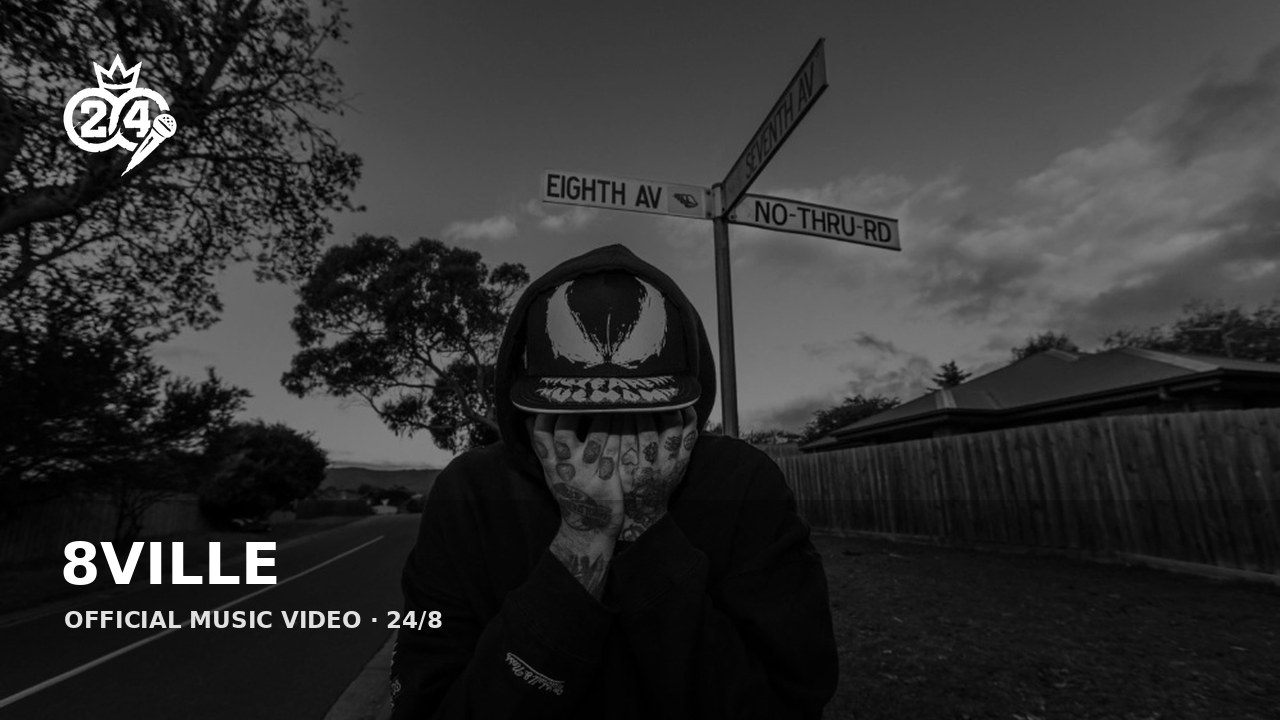
8Ville
An interactive experience built around the 8Ville EP. Step inside the world of 8Ville and explore it for yourself.
URL: 8ville.com

Coming soon · 18+
8Ville: Bad Decisions
An adults-only comedy RPG where one bad choice usually leads to six worse ones. Fight weirdos, blow your money and find out how fast a simple night out turns into a full-blown disaster.
Adults only. You’ll be asked to confirm you’re 18+.
From 24/8
The 8 Files
Straight from 24/8 — the game, brain injury, pain, CTE and the things behind the music.
These are my experiences and my way of explaining them. They are not medical advice.
Escape the 24/8 Clinic
September 2026 · Games
I made Escape the 24/8 Clinic because I wanted the 24/8 world to be more than music and videos. I wanted people to actually step inside it.
You wake up in the clinic and the job is simple: get out. You walk the wards, search rooms, pick up loot, meet characters and end up in turn-based battles along the way.
Mental State
The part I care about most is the Mental State system. The lower it gets, the more the game starts changing around you. Things shake, the Symbiote gets stronger and the choices start feeling different.
That came straight from the same place as the music. A lot of 24/8 is about what happens when your own head starts fighting you.
Story or Speedrun
Story Mode is there if you want to explore the clinic and take in the characters and story.
Speedrun is the opposite. It is harder, faster and made for people who want to see how quickly they can survive the place.
Beta 1
It is still a beta, so I am still improving it. But the game is live now and works in a browser on phone, tablet and desktop.
If you think you can get out, give it a go.
Living With Chronic Pain
Chronic pain is hard to explain because people normally only see me when I am doing something.
They see the music, the photos or me getting on with life. They do not see what my body feels like before or after it.
I used to think pushing through everything made me tougher. Most of the time it just meant I paid for it later.
Music does not fix the pain. I wish it did. It just gives me somewhere to put the anger and frustration instead of carrying all of it around in my head.
Some days I can do a lot. Some days I cannot. I have stopped pretending those days are the same.
I am not trying to make chronic pain inspirational. It hurts. It gets exhausting. I just refuse to let it be the only thing I am.
— 24/8
Fear of CTE
This is probably one of the harder things for me to talk about.
Since my brain injury, CTE is something I have worried about. Not because somebody diagnosed me with it. They have not.
That is part of what makes it scary. There is currently no way to definitively confirm CTE in a living person, so there is no simple test that gives you an answer and lets you move on.
I can sit there wondering what my brain will be like in 10 or 20 years, but I cannot live my whole life inside a question nobody can answer for me today.
So I try to deal with what is actually in front of me. I write. I make music. I create things. I look after myself the best I can.
The fear is still there. I just do not want it making every decision for me.
— 24/8
CTE: What People Keep Asking Me About
September 2026 · Brain Injury
A lot of people have asked me what CTE actually is.
Short version: CTE is a brain disease linked to repeated hits to the head over time.
One concussion does not automatically mean CTE, and you do not have to be knocked out every time for head impacts to matter.
It gets talked about a lot in AFL, NFL, boxing and other contact sports because repeated hits to the head can add up over time.
People talk about things like memory problems, mood changes, concentration problems and changes in behaviour. The problem is those things can happen for plenty of other reasons too, so you cannot diagnose CTE from symptoms alone.
And right now, doctors still cannot definitively confirm CTE in someone while they are alive.
So no, getting hit in the head does not automatically mean CTE.
But repeated brain trauma is real, and just because you cannot see the damage does not mean it is not there.
That is the part I want people to understand.
— 24/8
Living With Complex PTSD
I am not trying to tell anyone how to fix PTSD. This is just what it looks like for me.
Sometimes my body reacts before my head has even worked out what is going on. Certain places, sounds or situations can put me on edge fast.
I used to get angry at myself for that. I thought I should be able to just switch it off.
I cannot.
What I can do is know myself better. Routine helps me. Having space helps. Writing helps a lot. Music gives me somewhere to put things I do not always know how to say normally.
None of that is a magic fix. Some days are still bad.
I just understand now that fighting myself all day normally makes everything harder.
— 24/8
Living With an ABI
My ABI is probably one of the hardest things to explain because most of it is invisible.
I can look completely normal and still be dealing with memory, concentration, fatigue, pain or just getting overloaded by too much going on at once.
That is the part people do not always understand. Looking alright and feeling alright are not the same thing.
I spent a long time comparing myself to who I was before the injury. That can mess with your head because you are constantly judging yourself against a version of you that does not exist anymore.
8Ville came out of that. It became my name for the place in my head I kept ending up in — the part of life other people could not really see.
I do not want pity for having an ABI. I just want people to understand that invisible does not mean imaginary.
I am still here. I still make music. I just have to do some things differently now.
— 24/8
Coverage & media
Press
Selected features, interviews and media appearances.
Industry Resources
Quick-download material for labels, promoters, collaborators, radio, podcasts and editorial teams.
24/8 One-SheetArtist overview for labels and promotersDownload PDF ↓
Interview SheetBio, talking points and interview informationDownload PDF ↓
Bookings + CollabsBooking and collaboration informationDownload PDF ↓
Media FootprintSelected press, radio and interview coverageDownload PDF ↓
Press Photos
Official 24/8 press photos for media, editorial and promotional use.
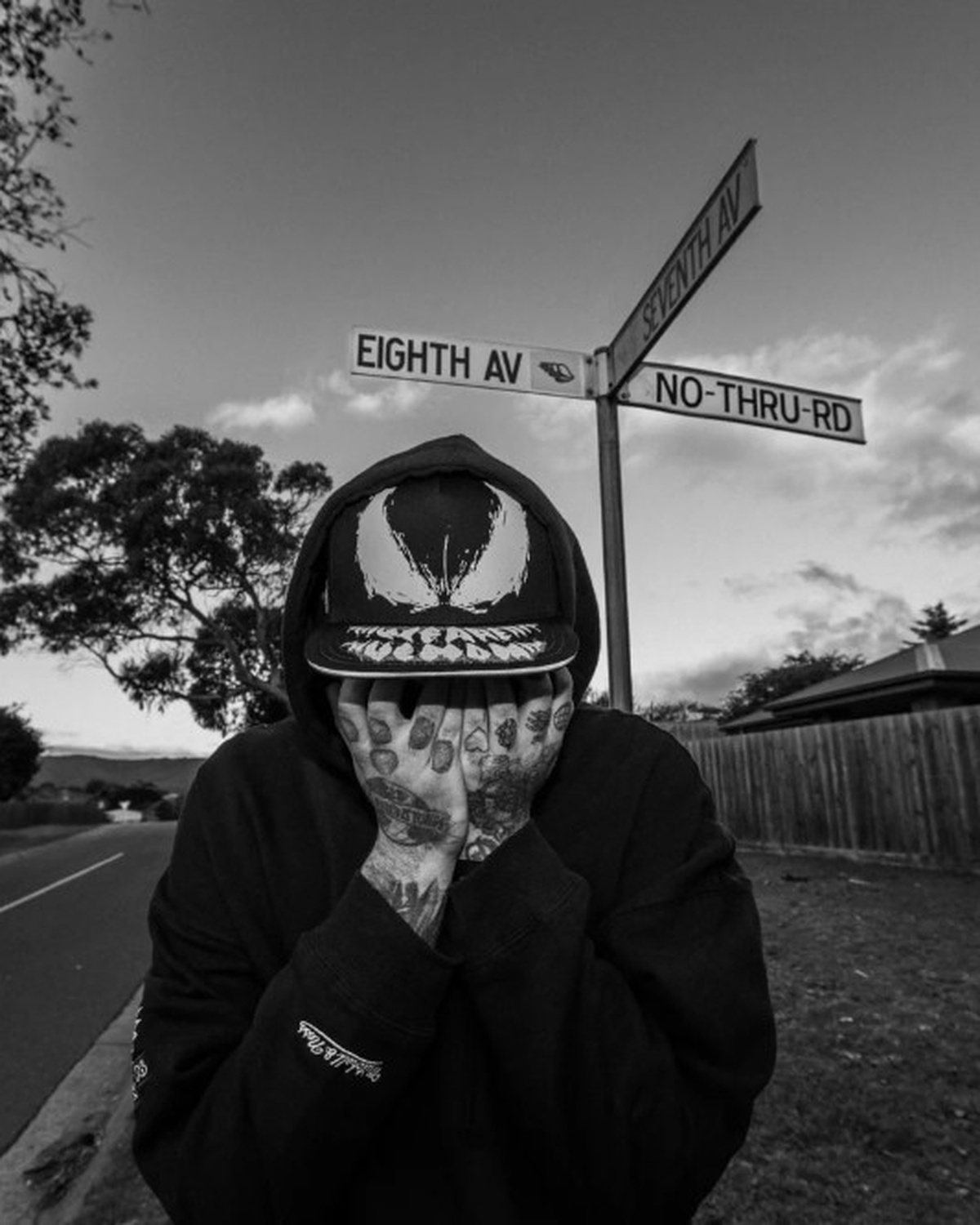
24/8 Main Press PortraitOfficial 24/8 portrait.Download portrait ↓
24/8 Full Black-and-White ImageOfficial 24/8 landscape press image.Download full image ↓
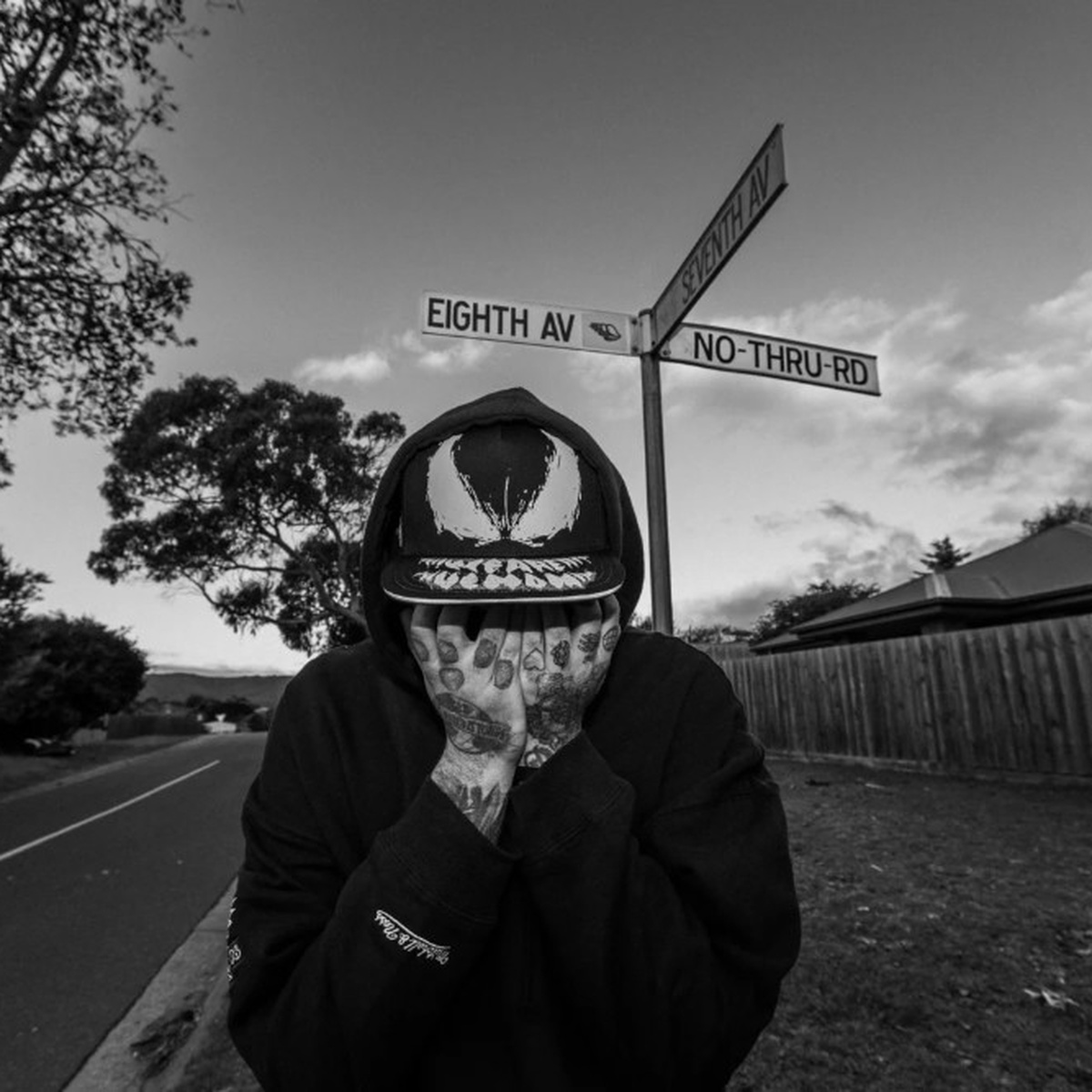
24/8 Square CropOfficial 24/8 square press image.Download square crop ↓
Folk N Rock12-minute “8Ville” EP reviewRead review ↗
TUNEDLOUDFeature: 24/8’s “8Ville”Read feature ↗
The Daily Mirror · RPPFM 98.7Chat Session 40 with MarlonRead / listen ↗
Platinum Loves HipHop“8Ville” featureRead article ↗
Fenomen MagArtist spotlight: journey to “8Ville”Read article ↗
NewFire Magazine“8Ville” — A Journey Through AdversityRead article ↗
24Rap“8Ville” single and visuals featureRead article ↗
Mornington Peninsula Magazine“Aussie rapper working overtime on the Peninsula”Read feature ↗
triple j UnearthedOfficial 24/8 artist profileView profile ↗
HipHopEargasmReview: “24/8 finds refuge in raw emotion with 8Ville”Read review ↗
ArtistRack24/8 — “8Ville” featureRead feature ↗
La Caverna“Love The Pressure” coverageRead feature ↗
Vigilantes Radio LiveThe 24/8 Interview · “Why Do I Try?”Listen ↗
3CR · Urban VoicesInterview archive · 29 July 2024Listen ↗
WorldStarHipHop“8Ville” video listingWatch ↗
Follow 24/8
Connect
Music platforms and official social channels.
Bookings & enquiries
Contact
For music, press, bookings, speaking engagements and licensing.
Management
Email 24/8 directly for bookings, press, speaking engagements or licensing enquiries.
Stay Updated
Enter your email and your mail app will open a pre-addressed request to join the 24/8 updates list.